1. December 2025
How Modern AI Automates Validation and Processing of Structured E-Invoices
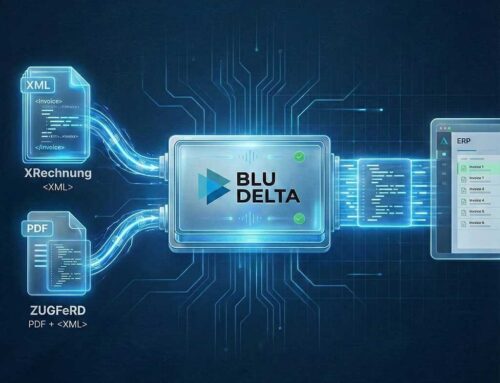
The shift towards structured e-invoicing is transforming how companies organise their financial processes. With mandatory e-invoicing beginning in 2025 and widespread adoption of formats such as XRechnung and ZUGFeRD, manual processing will increasingly become a thing of the past. Yet many organisations are still unsure what these formats entail and how to automate them efficiently.
Structured e-invoices offer higher data quality and legal certainty, but they also introduce new technical requirements. This is where AI comes in. Modern AI systems validate invoices, detect inconsistencies and map data to the correct ERP fields, ensuring every invoice flows cleanly into downstream processes.
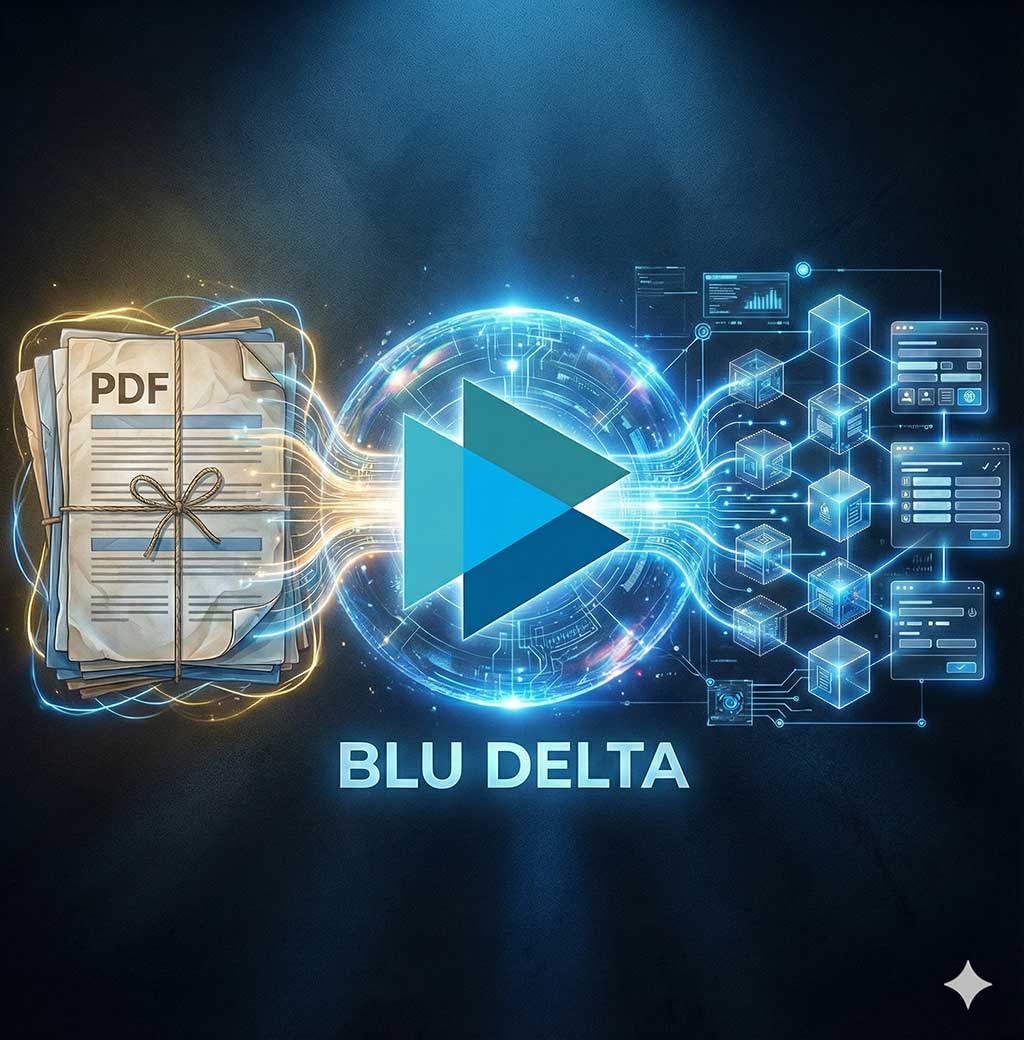
Structured e-invoices offer higher data quality and legal certainty, but they also introduce new technical requirements. This is where AI comes in. Modern AI systems validate invoices, detect inconsistencies and map data to the correct ERP fields, ensuring every invoice flows cleanly into downstream processes.
What an E-Invoice Really Is
At its core, an e-invoice is a structured dataset built according to a fixed European standard, EN 16931. The goal is not to send a digital PDF, but to provide data in a form that software can read without interpretation or ambiguity.
The standard defines exactly which fields are mandatory, how values must be structured, and how totals, taxes and line items must be validated. This makes e-invoices machine-readable, which is the key advantage over PDFs.
XRechnung: Setting the Standard in the Public Sector
XRechnung is a fully structured XML format and the official format for all invoices sent to public sector clients in Germany. Its influence is increasingly reaching the B2B sector because it provides a clear, validated and legally compliant structure.
Typical characteristics include:
- strict datatypes instead of interpreted text
- mandatory fields that minimise errors
- clear validation rules
- high degree of automation
With mandatory e-invoicing coming into force, XRechnung is becoming a standard across large parts of the economy.
ZUGFeRD: The Hybrid Bridge Technology
The ZUGFeRD 2.x format brings together two worlds. A human-readable PDF remains part of the document, while an embedded XML file allows automated machine processing.
Important to note: Only version 2.0.1 and higher is fully compliant with EN 16931.
For companies, this means:
- the PDF remains usable for manual processes
- the XML structure enables parallel automation
- international acceptance is often higher because a readable PDF is still included
ZUGFeRD therefore offers a pragmatic transition path, allowing organisations to automate without abandoning PDFs immediately.
Why Validation and Compliance Matter
Structured invoices only deliver their benefits if they are created correctly. In practice, a range of problems still occurs:
- totals do not match line items
- VAT rates are incorrect
- mandatory fields are missing
- IDs are duplicated or invalid
- the format does not comply with EN 16931
These errors lead to rejections, delays and, in the future, potential issues with EU-wide reporting under ViDA. Companies therefore need systems that not only process invoices but also validate them.
How AI Automates the Processing of Structured Invoices
Modern AI platforms such as BLU DELTA go far beyond simple XML parsing. They perform both technical and semantic validation, detect inconsistencies and flag questionable data before it reaches the ERP system.
Key capabilities include:
This dramatically reduces manual workload while significantly improving data consistency and quality.
Why BLU DELTA Excels at XRechnung and ZUGFeRD
BLU DELTA is designed to process structured invoice data reliably and fully automatically, whether it comes in XRechnung, ZUGFeRD or mixed form.
The strength lies in combining AI intelligence with strict rule-based validation:
- extraction and validation in one unified workflow
- tolerance for incomplete or inconsistent data
- deep domain expertise in invoice logic and accounting fields
- ISO 27001-certified cloud or on-premise deployment
- seamless ERP and finance system integration via APIs
For companies, this means fewer errors, less manual intervention and significantly faster processing cycles.
Conclusion: Structured Invoices Are the New Standard – AI Makes Them Truly Productive
XRechnung and ZUGFeRD are more than formats. They form the foundation of a fully digital accounting ecosystem.
The earlier companies adopt automated processing, the smoother the transition and the greater the long-term efficiency and compliance benefits.
What’s Next? Automating E-Invoicing – Structured, Secure and Scalable
If you want to assess how well your organisation is prepared for XRechnung or ZUGFeRD, or if you want to see how automated validation and data processing work within your ERP, we are happy to support you.
BLU DELTA is a product for the automated capture of financial documents. Partners, but also finance departments, accounts payable accountants and tax advisors of our customers can use BLU DELTA to immediately relieve their employees of the time-consuming and mostly manual capture of documents by using BLU DELTA AI and Cloud.
BLU DELTA is an artificial intelligence from Blumatix Intelligence GmbH.

Author:Martin Loiperdinger is Co-Founder and CEO of Blumatix Intelligence GmbH. Previously, he was responsible for the development of copy protection solutions at an internationally operating corporation and later worked as an independent consultant for medium-sized companies and large enterprises. Since 2016, he has been driving AI-supported document processing, making Blumatix one of the most innovative providers in the DACH region. His goal is to enable seamless information exchange between companies.
Contact: m.loiperdinger@blumatix.at